
Politics in the United States is a complex system consisting of various branches of government, political parties, interest groups, and individual citizens all working together to shape public policy and governance. The two dominant political parties, the Democrats and Republicans, engage in a constant battle for control of the White House, Congress, and state-level offices.
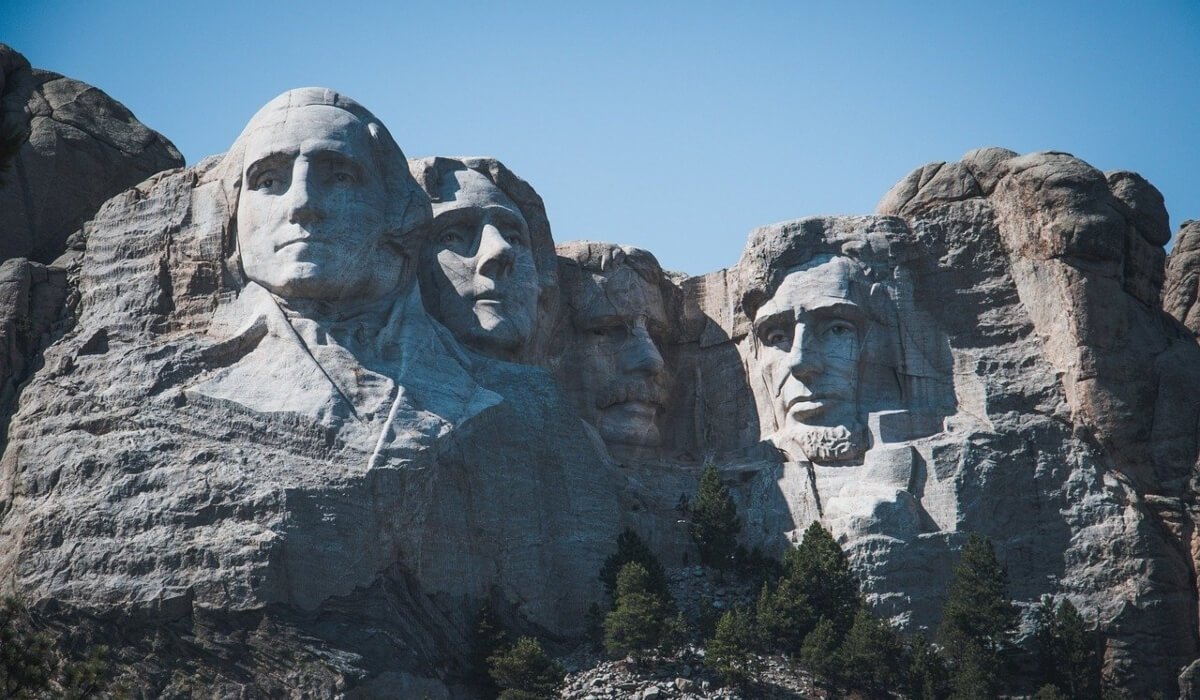
Image by Karlee Heck from Pixabay
This constant power struggle often results in gridlock and partisanship within the government, making it difficult to pass legislation and address pressing issues facing the country.
Additionally, campaign finance plays a significant role in shaping politics, with wealthy donors and corporations exerting influence over politicians through donations and lobbying efforts. Despite these challenges, American politics remains a cornerstone of democracy and provides citizens with the opportunity to participate in their government through voting, activism, and advocacy.
Politics
FTC Disclosure: www.datraveler.com may receive financial compensation when the affiliate link(s) on this page are clicked on, and a purchase is made.
It is crucial for citizens to stay informed and engaged in the political process to hold their elected officials accountable and push for meaningful change. By participating in grassroots movements, contacting representatives, and voting in elections. Individuals can help shape the direction of their government and ensure that the voices of all Americans are heard. Despite the obstacles and complexities of the political system, the power ultimately lies in the hands of the people to drive progress and create a more equitable society for all.
The political landscape of the United States is characterized by its democratic system. Diverse political ideologies and a complex set of institutions and practices. Here are some key aspects:
Political System
Federal Republic:
- Federalism: Power is divided between the national (federal) government and the individual states.
- Republic: Citizens elect representatives to make decisions on their behalf.
Branches of Government:
- Executive Branch: Headed by the President, who serves as the head of state and the government. The President is elected for a four-year term and can re-elected once.
- Legislative Branch: Composed of Congress, which is divided into two houses:
- Senate: 100 members, two from each state, serving six-year terms.
- House of Representatives: 435 members, apportioned based on population, serving two-year terms.
- Judicial Branch: Includes the Supreme Court and lower federal courts. The Supreme Court has nine justices who serve lifetime appointments.
Major Political Parties
Democratic Party:
- Ideology: Generally supports progressive policies, including social justice, environmental protection, and expanded social programs.
- Base: Often supported by urban areas, minorities, and younger voters.
Republican Party:
- Ideology: Generally supports conservative policies, including limited government, free-market capitalism, and a strong national defense.
- Base: Often supported by rural areas, older voters, and religious conservatives.
Political Ideologies
- Liberalism: Advocates for social equality, environmental protection, and government intervention in the economy to ensure social welfare.
- Conservatism: Emphasizes limited government, free markets, individual liberty, and traditional values.
- Libertarianism: Advocates for minimal government intervention in both economic and social matters.
- Progressivism: Focuses on social reform, reducing inequality, and addressing systemic issues such as racial and gender discrimination.
Elections
Presidential Elections:
- Held every four years.
- Candidates are selected through primary elections and caucuses, leading to national conventions where parties officially nominate their candidates.
- The Electoral College decides the President, with each state having a set number of electors based on its representation in Congress.
Congressional Elections:
- Held every two years for the House of Representatives and one-third of the Senate.
- Midterm elections occur halfway through a President’s term and often influence the legislative agenda.
Political Processes
Legislation:
- Bills can introduced in either house of Congress.
- They must approved by both houses and signed by the President to become law.
- The President can veto bills, but Congress can override the veto with a two-thirds majority in both houses.
Checks and Balances:
- Each branch of government has powers that can limit the actions of the others, ensuring no single branch becomes too powerful.
- Examples include presidential vetoes, congressional oversight, and judicial review.
Judicial Review:
- The Supreme Court has the power to declare laws and executive actions unconstitutional, shaping U.S. law and politics significantly.
Politics; Key Political Issues
- Economy: Debates over taxation, government spending, and economic regulation.
- Healthcare: Discussions about the extent of government involvement in healthcare, including debates over the Affordable Care Act and Medicare.
- Immigration: Differing views on immigration policies, border security, and the treatment of undocumented immigrants.
- Climate Change: Varied approaches to environmental regulation and policies to address global warming.
- Civil Rights: Ongoing efforts to address issues of race, gender, and sexual orientation discrimination.
- Gun Control: Balancing Second Amendment rights with efforts to reduce gun violence.
- Foreign Policy: Debates over the U.S. role in global affairs, military interventions, and international alliances.
Politics Recent Trends
- Polarization: Increasing ideological division between Democrats and Republicans.
- Populism: Rising support for leaders and movements that claim to represent the “common people” against elites.
- Social Movements: Significant influence of movements such as Black Lives Matter, #MeToo, and climate activism.
- Digital Influence: The growing impact of social media and digital platforms on political discourse and campaigns.


The political landscape in the U.S. is dynamic and constantly evolving. If you have specific areas civil rights movement or current issues you’d like to explore further, let me know!
Leave a Reply